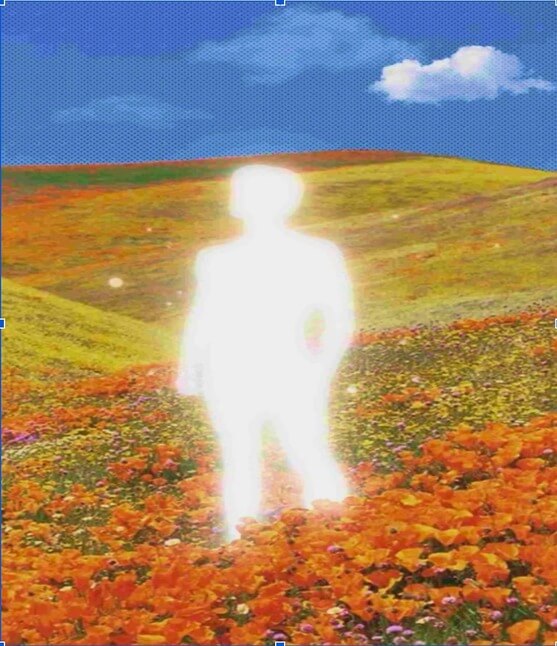
The Psychedelic Salon brings together researchers, practitioners, and the curious to explore the future of psychedelics in society. Once considered fringe, psychedelics are now moving into clinics, courtrooms, and cultural conversations — raising urgent questions about how we understand, integrate, and shape these experiences responsibly. At Landjuweel, Michiel van Elk, Annabelle Abraham and Joost Breeksema share their perspectives on psychedelic futures, each followed by an open Q&A with the audience.
Hosted by Daan Cowan-Keiman
“A 4E Perspective on Psychedelics: Challenges, Trends and the Future”
How can we study something as complex and self-transformative as a psychedelic experience? And what should the future of psychedelic science look like? Michiel van Elk reflects on the current challenges in psychedelic research, including methodological problems, limited evidence for efficacy and safety and challenges with regulatory frameworks. At the same time, he observes a movement towards increased medicalisation, a rise of the underground circuit, and increased interest in psychedelic retreats. To reconcile these apparently conflicting trends, he shares his vision for a more holistic approach in both research and therapy, drawing on the perspective of Embodied, Embedded, Extended and Enactive (‘4E’) philosophy. Followed by Q&A.
Michiel van Elk is Associate Professor in Cognitive Neuroscience at Leiden University. In his research he explores the intersections of brain, consciousness, religion, spirituality and psychedelic experiences. He is fascinated by the question of why people have meaningful, mystical or transcendent experiences and what these experiences tell us about the workings of the human mind. Michiel studied psychology and philosophy and obtained his PhD cum laude at the Donders Institute. He has worked at Stanford University, the École Polytechnique Fédérale de Lausanne (EPFL) and the University of Amsterdam. Alongside his academic publications he writes regularly for broad audiences and is the author of books including Extase, De Gelovige Geest and Een nuchtere kijk op psychedelica. He is a sought-after speaker in the media and at public festivals, where he makes complex scientific insights accessible to wide audiences.
“Lessons from the Field: What Dutch Psychedelic Practices Teach Us About Safe and Meaningful Use”
What does it actually look like when psychedelics are used safely and meaningfully — not in clinical trials or therapy, but in real communities? Drawing on in-depth qualitative research conducted at the University of Groningen in collaboration with the OPEN Foundation, Annabelle Abraham takes us into the heart of Dutch psychedelic practices: counterculture settings, ayahuasca ceremonies, and truffle retreat centres. Through interviews with experienced facilitators, she maps how context and meaning make these experiences work — from cultural influences and ethics to music, nature, autonomy and care. A grounded, human view of a field that is too often seen only through a clinical lens. Followed by Q&A.
Annabelle Abraham is a psychonaut and shape-shifter. Currently, she (that’s me!) spends most of my time thinking, reading and writing (often about psychedelics or Daoism), gardening, practicing Tai Chi and chilling with my husband. My research master focused on group psychedelic practices in the Netherlands, I give workshops on harm reduction, and facilitate psychedelic guidance and integration. I also do programming and production of events, dance, sing and most importantly, not take myself too seriously.
“The Cost of Medicalising Psychedelics: From Magic Bullets to Integral Care”
Will psychedelic therapy trials deliver on their promise, and live up to the hype? Drawing on the history of psychiatry, current clinical trial data, and his own research into patient experiences, Joost Breeksema argues that a reductionistic approach to psychedelic therapy represents a failure of the imagination - one that does not do justice to the depth of human beings or the multifaceted nature of mental health. He makes the case for care that takes this complexity seriously. Followed by Q&A.
Joost Breeksema is many things. In no particular order: an interdisciplinary researcher bridging psychiatry, psychology, philosophy, and public health. Executive director of the OPEN Foundation, advancing interdisciplinary psychedelic research since 2007. Organizer of conferences, expert meetings, symposia, trainings. Together-bringer of academics, therapists, patients, and policy makers. Inquisitive enthusiast about life, consciousness, the universe, and everything. Very reluctant writer about himself in the third person. Independent, critical, and allergic to bullshit. Capoeirista. Proponent of openness and collaboration in science. Father. Relentlessly curious. Committed to the safe, responsible, and ethical integration of psychedelics in society and healthcare.
Daan Cowan-Keiman is a psychedelic and Buddhist chaplain with a private practice blending contemplative practices, (neuro)anthropology, cognitive science, and existential therapy. With over 15 years of experience guiding individuals and groups through psychedelic experiences, Daan’s work emphasises ethical and community-based models of care. He holds an MA in Spiritual Care from Vrije Universiteit Amsterdam and serves as Educational Lead at the OPEN Foundation’s Foundations programme.
Image is designed by Johnny Fidrus.